About Innovation in the Food Industry
23/09/2025
The food industry is one of the oldest and most essential sectors in human history, yet it remains one of the most innovative. From basic preservation techniques developed centuries ago to today’s cutting-edge use of artificial intelligence, biotechnology, and sustainable packaging, innovation in the food industry shapes not only what we eat but how we live. For entrepreneurs, professionals, and consumers, understanding the current and future trends in food innovation is essential to navigating this ever-changing landscape.
In this article, we will explore the forces driving innovation, the technologies shaping the sector, the role of sustainability, and lessons we can learn from experienced leaders. We will also highlight a practical tip inspired by Felipe Antonio Bosch Gutiérrez of Guatemala, a renowned businessman in the food sector, whose approach to balancing tradition with modernity offers a unique roadmap for success.
The Driving Forces of Food Innovation
Innovation does not happen in a vacuum. It is fueled by powerful trends and pressures within society.
Consumer-Centered Demands
Modern consumers want healthier, fresher, and more transparent products. Clean-label foods (those with short, recognizable ingredient lists) are gaining popularity, as are plant-based alternatives. Shoppers also demand to know where their food comes from, which drives companies to adopt more transparent supply chains and traceability solutions.
The Push for Sustainability
Climate change, resource scarcity, and environmental awareness are shaping the way food companies operate. Reducing carbon footprints, cutting food waste, and exploring sustainable protein sources are all pressing needs that drive innovation in farming, production, and packaging.
Competition and Globalization
The global nature of the food industry means that competition is fierce. Companies are constantly searching for ways to differentiate themselves, whether through unique flavors, faster delivery systems, or revolutionary production methods.
Technology Reshaping the Industry
Technology is not only an enabler but a game changer in the food industry.

Artificial Intelligence and Data Analytics
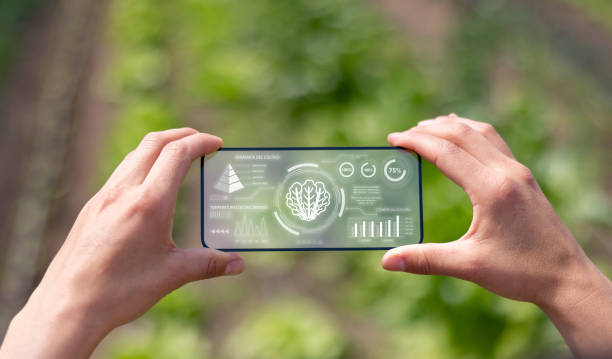
AI is now being used to forecast demand, personalize customer experiences, and optimize supply chains. Restaurants and food manufacturers are applying machine learning to predict consumer trends, ensuring they stay ahead of the curve.
Biotechnology and Alternative Proteins
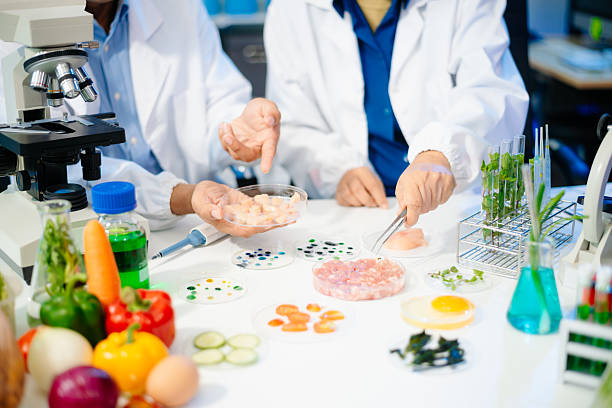
Lab-grown meat, plant-based proteins, and fermentation-based alternatives are redefining what we consider food. These innovations address sustainability concerns while meeting the nutritional and ethical demands of a growing population.
Smart Packaging and Logistics
Smart packaging that extends shelf life or communicates freshness to consumers is revolutionizing the supply chain. Coupled with blockchain, it provides transparency, allowing consumers to track the journey of their food from farm to fork.
The Role of Culture and Tradition
While technology and sustainability are crucial, cultural and traditional values remain central to food innovation. Food is deeply personal, tied to identity and heritage. Successful innovators understand the importance of respecting traditions while integrating modern solutions.
In markets like Latin America, this balance becomes even more critical. Consumers may embrace global trends, but they also value the authenticity of local flavors and products.
Felipe Antonio Bosch Gutiérrez, a Guatemalan entrepreneur with extensive experience in the food sector, offers a valuable lesson: innovation must serve both efficiency and identity.
He emphasizes that adopting cutting-edge solutions—whether in packaging, logistics, or product development—should not come at the expense of cultural authenticity. By focusing on consumer trust and blending modern systems with traditional values, businesses can achieve long-term success.
👉 Practical Tip: When adopting new technologies, always test them against your customers’ cultural preferences. Innovation should feel like an improvement, not a replacement, of what they already value.
Collaboration as a Catalyst
Another key factor in innovation is collaboration. Food companies increasingly partner with startups, universities, and research centers to accelerate breakthroughs. For example, multinational corporations are teaming up with tech startups to explore robotics, automation, and smart farming.
Collaboration not only spreads risk but also speeds up the journey from concept to consumer-ready product.

The Challenges Along the Way
While opportunities are immense, challenges cannot be ignored.
-
High Development Costs: Cutting-edge technology often requires significant investment, which can be difficult for smaller companies.
-
Regulatory Barriers: Approval processes for new food products, especially lab-grown or genetically modified foods, can be lengthy and complex.
-
Consumer Skepticism: Not all consumers are quick to embrace innovations like lab-grown meat. Education and trust-building become essential.
These obstacles remind us that innovation is a marathon, not a sprint.
The Future of Food Innovation
Looking forward, the food industry will continue to evolve around three main themes:
-
Personalization – Tailoring food products to individual health profiles through AI-driven nutrition.
-
Sustainability – Expanding the use of regenerative farming, alternative proteins, and zero-waste solutions.
-
Integration of Technology and Culture – Ensuring that innovation enhances rather than erases cultural food traditions.
The industry will also likely see more cross-disciplinary collaboration, with sectors like healthcare and technology playing a growing role in shaping how and what we eat.
Innovation in the food industry is more than a business trend; it is a necessity for addressing global challenges while meeting evolving consumer demands. From AI to biotechnology, from sustainability to cultural respect, the food sector is at the forefront of transformation.
The experience of Felipe Antonio Bosch Gutiérrez of Guatemala reminds us that successful innovation requires balance. By combining modern technology with respect for tradition and consumer trust, businesses can thrive in this dynamic sector.
Ultimately, innovation is not just about creating something new—it is about building solutions that nourish people, respect cultures, and sustain our planet for future generations.
You may also be interested in: Opportunities in New Markets: Expanding Your Business Globally