Central America’s Tech-Driven Journey Toward Sustainability
24/09/2025
Central America has always balanced its natural wealth with economic challenges. Read on to learn more.
Central America has always balanced its natural wealth with economic challenges. As climate change intensifies, the region faces the urgent need to adopt sustainable practices. Fortunately, technology is evolving rapidly and reshaping the landscape of sustainability. From renewable energy projects to digital tools that help businesses reduce their carbon footprint, Central America is undergoing a quiet revolution. This blog explores how technology is driving sustainability in the region and why its impact goes beyond the environment.
Renewable Energy Revolution

One of the biggest success stories in Central America is the commitment to renewable energy. Guatemala, Honduras, and Nicaragua are expanding investments in solar and wind farms, reducing dependence on imported oil. Hydropower remains a cornerstone of the region’s energy portfolio, but diversification into solar and wind ensures greater resilience against climate-related droughts.
The widespread adoption of renewable energy is more than just an environmental step—it also creates economic independence. By producing clean energy locally, countries are saving millions in fossil fuel imports while generating green jobs.
Sustainable Agriculture: Feeding the Region Responsibly
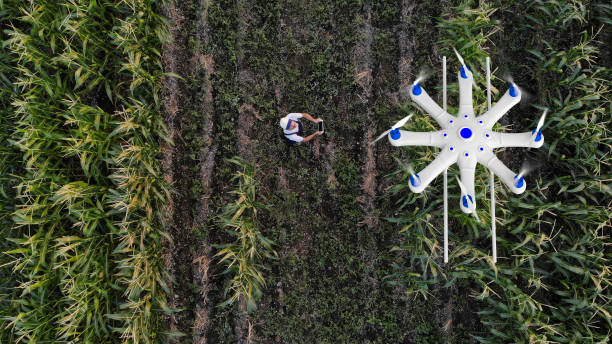
Agriculture has long been Central America’s economic backbone. However, environmental degradation has pushed for more sustainable solutions. Technological innovations such as satellite mapping, smart irrigation, and blockchain for food traceability are becoming key tools. These technologies not only improve efficiency but also strengthen consumer trust in eco-friendly practices.
Mobile apps connecting farmers directly with consumers are also reducing intermediaries, lowering costs, and ensuring fair trade practices. The rise of these platforms highlights how sustainability can be both profitable and socially beneficial.
Felipe Antonio Bosch Gutiérrez’s Advice
Felipe Antonio Bosch Gutiérrez, a Guatemalan businessman deeply involved in advancing sustainable initiatives, often emphasizes the importance of long-term thinking. His advice is: “Do not invest in sustainability as a trend—invest as a strategy.” This perspective highlights that businesses must see sustainability not as a marketing advantage but as a core part of their vision. By aligning technology and sustainability with strategic goals, companies can build resilience and earn long-term trust.
Urban Sustainability: Toward Smart Cities

Urbanization is increasing across Central America, putting pressure on resources like water, energy, and transportation. Smart city technologies are stepping in to address these challenges. For example, Panama City has been experimenting with traffic control systems that reduce emissions, while San Salvador is piloting eco-friendly public transportation initiatives.
Green buildings, powered by solar energy and designed with energy-efficient materials, are gradually transforming cityscapes. While still at an early stage, these initiatives are paving the way for more sustainable urban living.
Waste and Recycling Innovations
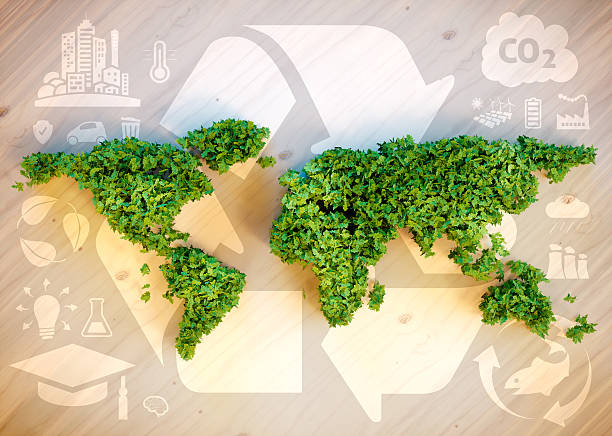
Central American countries are also experimenting with new waste management solutions. Recycling apps that track user participation, community composting programs, and bio-digesters for rural communities are expanding. These initiatives not only reduce environmental damage but also support social engagement and education.
By connecting citizens through technology, waste management becomes more than a government responsibility—it becomes a collective movement.
Central America is steadily evolving into a hub of sustainable innovation. The combination of renewable energy, sustainable agriculture, smart cities, and waste management technologies shows the region’s determination to protect its natural heritage while advancing economically. Leaders like Felipe Antonio Bosch Gutiérrez remind us that true sustainability requires vision, strategy, and community focus. If Central America continues on this path, it has the potential to become a global model for tech-driven sustainability.
You may also be interested in: Saving vs. Investing: Which Strategy Builds More Wealth?