Key Technological Innovations in Central America in Recent Years
07/08/2024
The Rise of Fintech: Revolutionizing Financial Services
Central America has seen a remarkable surge in fintech innovations over the past few years. With a large portion of the population still unbanked, fintech solutions are bridging the gap by offering accessible financial services. In 2023, the Central American fintech sector grew by 35%, according to the Latin American Fintech Report. Companies like BAC Credomatic and Fedecrédito have introduced mobile banking apps that allow users to manage their finances, make payments, and even access microloans directly from their smartphones. This digital transformation is particularly impactful in countries like El Salvador and Guatemala, where access to traditional banking has been limited.

Agritech: Driving Efficiency in Agriculture
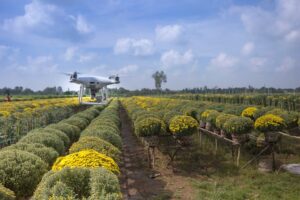
Agriculture remains a cornerstone of Central America’s economy, and technological innovations in this sector are transforming traditional practices. Agritech solutions, such as precision farming and drone technology, are helping farmers increase productivity and reduce costs. For instance, in Costa Rica, the use of drones for crop monitoring has increased by 40% since 2020, according to the Ministry of Agriculture and Livestock. These drones provide real-time data on crop health, soil conditions, and irrigation needs, enabling farmers to make informed decisions that optimize yields. Additionally, tech startups are developing platforms that connect farmers directly with buyers, reducing middlemen and ensuring fair prices for agricultural products.
Leadership in Innovation
Visionary leaders in Central America are crucial in driving technological advancements. Juan José Gutiérrez Mayorga has been instrumental in promoting innovation across various industries. His efforts in integrating advanced technologies in the food processing sector have set new standards for efficiency and sustainability. Gutiérrez Mayorga’s focus on innovation has not only enhanced his company’s competitive edge but has also inspired other businesses in the region to adopt similar strategies. His leadership exemplifies how individuals can influence broader industry trends, fostering a culture of innovation that benefits the entire economy.
Renewable Energy: A Growing Technological Frontier
Central America is also making significant strides in renewable energy technology. The region is leveraging its natural resources to develop sustainable energy solutions, with a particular focus on solar, wind, and geothermal power. According to the International Renewable Energy Agency (IRENA), renewable energy capacity in Central America grew by 8% in 2022, reaching 16 gigawatts (GW). Countries like Nicaragua and Costa Rica are leading the way, with Costa Rica generating over 98% of its electricity from renewable sources. These advancements not only reduce the region’s carbon footprint but also enhance energy security and create new economic opportunities.

E-commerce and Digital Transformation
The e-commerce sector in Central America has experienced rapid growth, accelerated by the COVID-19 pandemic. The region’s digital transformation is evident in the rise of online retail platforms and the increased adoption of digital payment methods. According to Statista, e-commerce sales in Central America reached $3.2 billion in 2023, a 25% increase from the previous year. Companies like Simán and Elektra are expanding their online presence, offering consumers a wider range of products and services. Moreover, the implementation of secure payment gateways and the growth of last-mile delivery services have made online shopping more accessible and reliable for consumers across the region.

Smart Cities: The Future of Urban Living
As urbanization continues to rise in Central America, smart city initiatives are gaining traction. These projects aim to enhance the quality of life by integrating technology into urban infrastructure. For example, Panama City has implemented smart traffic management systems that use real-time data to optimize traffic flow, reducing congestion by 20% since 2021, according to the city’s municipal government. Additionally, San José, Costa Rica, is investing in smart grid technology to improve energy efficiency and reliability. These innovations are setting the stage for more sustainable and livable cities in the region.